


John Galliano’s Met comeback ends after 15 years
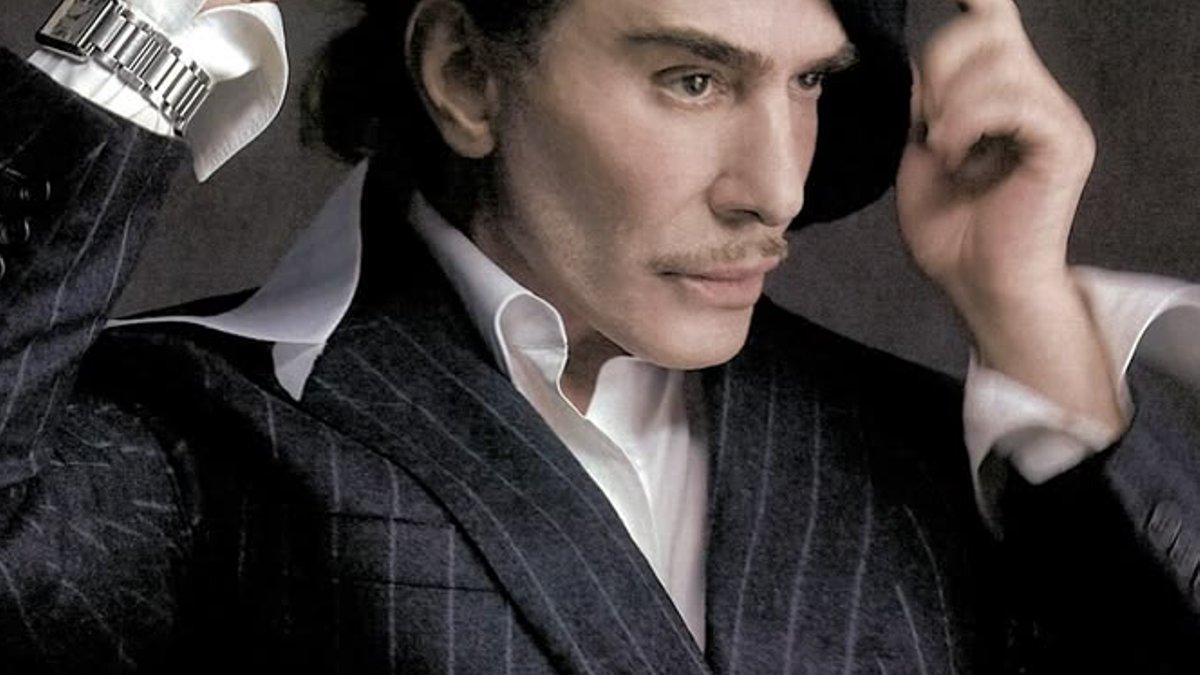
The Metropolitan Museum of Art has canceled its planned solo exhibition for John Galliano, ending what would have been only its third retrospective for a living designer. The museum announced John Galliano: Horizons in June 2026, with the show scheduled to open in May 2027—coinciding with Yom HaShoah, Holocaust Remembrance Day. This reversal concludes a 15-year effort to restore Galliano’s reputation after his career veered between artistic success and ethical controversies.
Galliano’s professional decline began in 2011 following a series of public altercations in Paris. In October 2010, English teacher Fatiha Oummedour accused him of shouting racist and antisemitic remarks at her in La Perle café. A second incident occurred on February 24, 2011, involving Géraldine Bloch, then head of exhibitions at the Institut du Monde Arabe, and her partner, Philippe Virgitti.
Bloch reported Galliano used antisemitic language, while Virgitti claimed the designer hurled an anti-Asian slur and made violent threats. Four days later, The Sun published footage of Galliano praising Hitler and suggesting those present would have been “gassed.” Dior terminated his employment on March 1, 2011. A French court later convicted him of public insults based on race, religion, or ethnicity, imposing suspended fines.
His professional resurgence unfolded gradually. Galliano met with Abraham Foxman of the Anti-Defamation League, studied with a rabbi, and visited Auschwitz. By 2013, Foxman described his remorse as genuine. Oscar de la Renta offered him a studio residency, and in 2014, Renzo Rosso named him creative director of Maison Martin Margiela. Anna Wintour publicly backed the appointment by wearing his first Margiela design at the 2014 British Fashion Awards.
Under his leadership, Margiela’s revenue doubled by 2019, and his January 2024 Artisanal collection became a cultural talking point. However, Kevin Macdonald’s 2024 documentary High & Low: John Galliano reignited debate. In the film, Galliano acknowledged, “It was a disgusting thing, foul thing that I did.” Virgitti disputed the sincerity of his apology, stating Galliano had never directly apologized to him.
Museum Faces Backlash Over Galliano Exhibition
After leaving Margiela in December 2024, Galliano signed a two-year deal with Zara in March 2026. “I’ve been curating some of Zara’s recent archives,” he told British Vogue. “The idea is that I will re-author them.” The Met’s planned retrospective, announced in July 2026, became a contentious issue. Opposition arose from donors, Jewish leaders, and officials including New York City Council Speaker Julie Menin, whose mother and grandmother survived the Holocaust. “There’s the fashion world as it exists within the fashion bubble,” Vanessa Friedman, The New York Times’ fashion director, observed. “This is a museum that exists in a very large and complex and complex city. Their responsibilities are different.”
The cancellation reveals how institutions now weigh artistic contributions against moral accountability. Museums often exhibit figures with problematic pasts, but Galliano’s case exposed flaws in the Costume Institute’s leadership, particularly Wintour and curator Andrew Bolton. Their history of high-profile exhibitions and fundraising had shielded them from criticism, creating what Friedman described as an environment of “benign neglect.” The decision now forces the Met to confront who will succeed Wintour and how the institution will balance creative ambition with ethical standards.
The Limits of Second Chances
Galliano’s career demonstrates resilience—he endured criminal convictions, industry rejection, and a documentary that exposed his past misconduct. Yet a museum retrospective was never merely about art. It represented a symbolic endorsement risking the whitewashing of his legacy. Friedman noted that “Nobody involved is saying that the Met should not collect Galliano.” “There is just a really big difference between having a second chance and being given a singular and historic honor by an institution.” Comparisons to Mel Gibson, who returned to filmmaking but lacks a lifetime achievement Oscar, show the distinction.
The fallout impacts broader luxury fashion trends. The cancellation highlights how influence in the industry has concentrated among a few key figures, with Wintour as the most prominent. Friedman suggested that “there is no other Anna,” implying the Met’s next curator must redefine its approach independently. The institution now faces a choice: use this moment to rethink its engagement with controversial figures or maintain the status quo.
Redemption vs. Institutional Trust
Galliano’s professional journey continues. His collaboration with Zara remains active, and his creative work retains influence. Yet the Met’s decision serves as a clear reminder: in fashion, as in other fields, rehabilitation and redemption are not equivalent. One is earned through consistent effort; the other demands trust, and that threshold, it appears, has been reached.

Pop Set Earned $3.5M in 24 Hours


