


Dermatologists Warn Against Common Skincare Mistakes
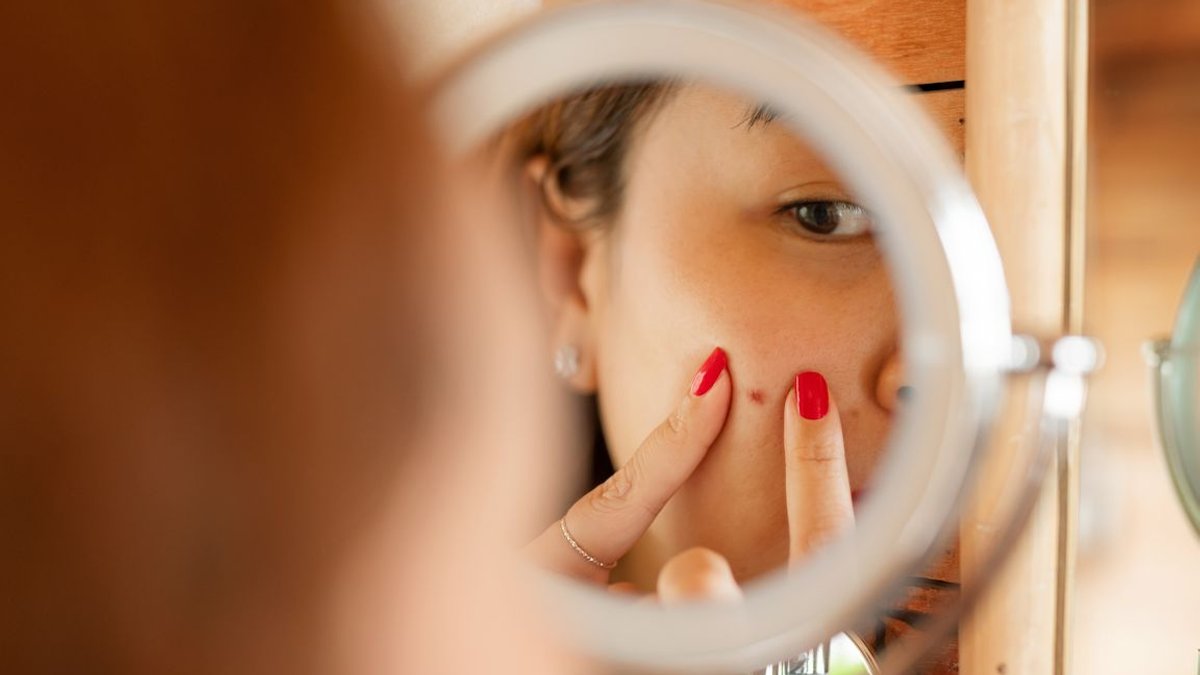
Most people do not think twice about their daily habits, but dermatologists warn that even small, repeated actions can quietly damage skin health. While a late-night snack or a missed shower might seem harmless, some behaviors actively undermine the complexion and accelerate aging. Dermatologists recently identified common mistakes that patients make, ranging from overusing skincare products to ignoring the dangers of UV exposure. These habits often go unnoticed until visible damage appears, making awareness the first step toward prevention.
Treating skincare like fashion trends
One of the most common errors is treating skincare routines like seasonal fashion. People frequently switch products or ingredients based on trends, believing that the latest “holy grail” item will deliver instant results. “It’s not how much you blast your face with new ingredients,” she says. “It’s the good, proven steps that you stick to over time.”
Avoiding Overuse and Skincare Fads
The compulsion to buy more frequently and keep up with buzzwords like exosomes or growth factors can strain the skin barrier. Ava Shamban, a dermatologist in Los Angeles, sees patients whose skin becomes inflamed from layering too many active ingredients at once. These reactions can take time to reverse and may require medical treatment. Corey Hartman, a dermatologist in Alabama, advises introducing only one new product or ingredient at a time. He also suggests sticking with a formula for at least three months to allow it to work properly.
Experts recommend relying on ingredients with a track record rather than chasing fads. Retinol, niacinamide, vitamin C, and salicylic acid are often cited as effective options. Even peptides and retinoids require consistent use over months to show meaningful changes. Jumping between products prevents the skin from adapting and often yields poorer results than a simple, consistent routine.
People often chase the sun for vitamin D or a tan, ignoring the proven risks. Ultraviolet light is classified as a carcinogen, similar to smoking or asbestos. UV exposure damages the skin‘s collagen and elastin, leading to wrinkles, dark spots, and sagging that can be difficult or impossible to reverse.
Dr. She compares the health risks of tanning to those of smoking, noting that patients often struggle to accept the reality of the harm. The damage accumulates over time, and the effects of repeated sunburns become visible decades later. Even if someone does not seek a tan, incidental exposure during daily activities adds up. Driving a car exposes the face to UV rays, and skipping sunscreen on these occasions contributes to premature aging.
For those who feel they need vitamin D, experts recommend dietary sources like fortified milk, cheese, and egg yolks, or supplements, rather than relying on sun exposure. The skin is the body’s largest organ, and protecting it from UV radiation is essential for long-term health. Using sunscreen with an SPF of 35 or higher, wearing protective clothing, and seeking shade when possible are practical steps to minimize risk. Experts emphasize that once sun damage occurs, reversing it is much more challenging than preventing it in the first place.
The Importance of Daily Sunscreen
Despite the clear evidence, many people still skip sunscreen on busy days or when they believe they are only briefly in the sun. Ava Shamban, a board-certified dermatologist in Los Angeles, says patients often underestimate how much UV exposure they receive just by running errands. “We want people to wear sunscreen every day,” Dr. Hartman says. He suggests placing the bottle next to the toothbrush to build it into the morning routine.
Read Also: Experts share foolproof tips for flawless mascara application
Dr. Hartman advises covering easy-to-miss areas, such as the ears, temples, and around the nostrils. Mineral sunscreens are often gentler for sensitive eyes, and SPF sticks can help cover the brow bone without melting into the eyes. Accessories like wide-brimmed hats and UV-protective sunglasses provide additional protection. Making sunscreen application a non-negotiable part of the daily schedule can significantly reduce the risk of skin cancer and premature aging.
Breaking the Pimple Popping Habit
Popping pimples often feels like the most difficult habit to break, yet it remains a common issue. One dermatologist notes that people may squeeze a pimple once per day if it is ready to come to a head. Covering the area with a pimple patch after popping can help the skin heal faster. If the pimple does not come to a head, the dermatologist advises leaving it alone. Continued picking can push bacteria deeper into the pore, which delays healing and increases the risk of dark spots.
Washing the face too aggressively can also harm the skin barrier. Using a washcloth, mesh sponge, or silicone brush during cleansing is often too harsh. These tools can cause redness, irritation, and breakouts. Double-cleansing, while relaxing, is not necessary for everyone. This method involves using an oil-based cleanser followed by a gentle cream cleanser. It is best reserved for days when a person wears makeup. A simple, gentle cleanser is usually sufficient for daily use.
Picking at the skin can stem from anxiety or a compulsion to “clean” pores. This habit may affect healthy skin, hair, or moles. A dermatologist suggests keeping fingernails very short to make picking more difficult. Redirecting nervous energy with fidget toys can also help. Covering a bug bite with a Band-Aid can deter picking. For those who pick compulsively, cognitive behavioral therapy may be an effective treatment.
Preventing Scalp Damage and Hair Loss
Scratching an itchy scalp can lead to hair breakage. A 2024 study in the Archives of Dermatological Research links scratching to breakage. It may also cause thinning hair over time. Avoid twisting hair in meetings or scratching in bed. Anti-inflammatory shampoos containing pyrithione zinc can help calm the scalp. Prescription shampoos with clobetasol may treat persistent itchiness from psoriasis.
Stopping the urge to pop pimples
The impulse to squeeze a pimple is strong for many people. Corey Hartman, a board-certified dermatologist in Alabama, admits he is guilty of this habit himself. He suggests limiting the action to one squeeze per day. If the pimple is ready to come to a head, it will release naturally.
If the pimple does not come out after that attempt, it is best to leave it alone. Squeezing a deep-seated plug can push bacteria and debris deeper into the pore. This makes the pimple take longer to heal and can lead to dark spots. Experts recommend using a 2% salicylic acid spot treatment or a hydrocolloid patch. These methods draw out oil and prevent the skin from being picked at.

Experts share foolproof tips for flawless mascara application


