


Nizoral Shows Promise for Hair Loss, But Limited Evidence
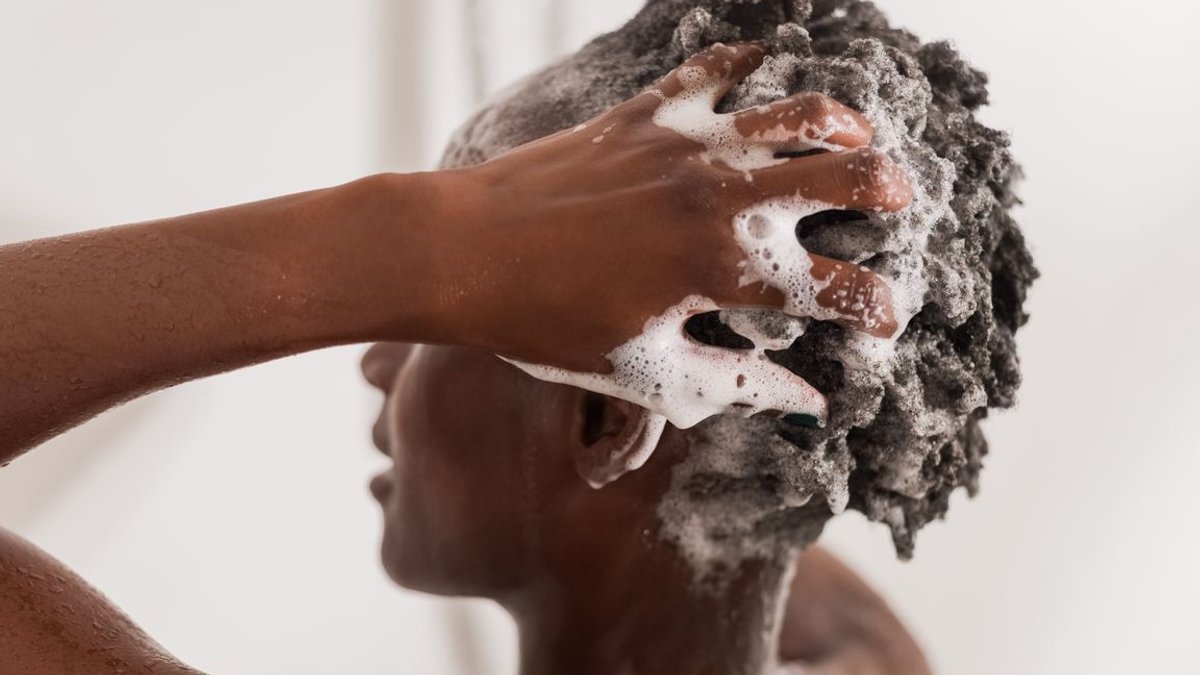
Hair loss is a stressful, confusing issue, especially during midlife. Many turn to Nizoral, a dandruff shampoo with ketoconazole, after seeing viral claims it helps with hair loss. Board-certified dermatologists like Heather Kornmehl, Neera Nathan, and Joyce Kim have discussed its potential benefits, with Dr. Kim rating it 7.5/10 for hair loss. In the United States, you can purchase 1% ketoconazole over the counter, but anything higher than that requires a prescription.
What’s the Science Behind Nizoral and Hair Loss?
Ketoconazole, the key ingredient in Nizoral, is an antifungal used for dandruff and seborrheic dermatitis. Kautilya Shaurya, MD, notes modest evidence it may help hair loss, citing a 1998 study where men using 2% ketoconazole shampoo saw hair density gains similar to 2% minoxidil. However, the FDA hasn’t approved it for hair loss, and larger trials are lacking.
Hair loss has many causes: genetics, stress, medical conditions, and hormonal changes like menopause. Dawn Queen, MD, explains that declining estrogen during menopause can increase androgen activity, leading to thinning or follicle shrinkage. Ketoconazole’s potential lies in its anti-androgen effects, but clinical evidence of its impact on DHT levels in the scalp is limited.
Does Nizoral Actually Work for Hair Loss?
While some users report regrowth, dermatologists caution against overreliance on Nizoral. Kseniya Kobets, MD, notes that female-pattern hair loss involves more than just DHT, and shampoo absorption may not deliver sufficient treatment. Jenna Queller, MD, emphasizes that healthier-looking hair isn’t the same as new growth, a claim only FDA-approved drugs can make.
Dermatologists like Caren Campbell, MD, see Nizoral as a reasonable add-on but not a primary treatment. It’s inexpensive and low-risk, especially for those with scalp issues like flaking or itching. However, it can’t address underlying causes like iron deficiency or autoimmune diseases. Proven treatments include minoxidil, spironolactone, and PRP injections.
Overuse of ketoconazole shampoo can dry and brittle hair, especially for menopausal women already experiencing dryness. Dr. Queller advises pairing it with a moisturizing shampoo or conditioning mask. Results vary, as seen in the #femalehairloss subreddit, where success stories are mixed with reports of no improvement.
The Role of Nizoral in a Hair-Loss Routine
While Nizoral may not be a standalone solution for hair loss, dermatologists acknowledge its potential as a supplementary treatment. Its affordability and low-risk nature make it an attractive option, particularly when combined with other treatments like topical minoxidil or low-level laser therapy.
Potential Risks and Side Effects
Additionally, people with damaged, chemically treated, or textured hair may also experience increased dryness and brittleness.
Some users have reported hair loss after using Nizoral, but Dr. Queller notes that these reports don’t establish a direct causal link. Results vary, as evidenced by the mixed experiences shared on the #femalehairloss subreddit.
Consulting a Dermatologist
Dermatologists emphasize the importance of consulting a professional before trying Nizoral or any other hair-loss treatment. Social media trends often skip the diagnosis step, which is key for tailored treatment. Dr. Kobets recommends researching published studies and looking for comparison groups and measured results, while Dr. Campbell warns against believing trends that sound too good to be true.


